Blog

SKAAI colors

Colours in natural skincare: why aren’t SKAAI’s cosmetics colorless?

Ever wondered why organic and natural skincare isn’t white or clear?

In this post, we’d like to tell you about the effects of deoderizing and refining natural ingredients.

In oil selection, whether you use the oil for cooking or skincare, the lighter the oil, the more refined it is. The refining process deodorizes and bleaches the oil making it easier to incorporate into products that are meant to be clear or white and fragrance-free. But it also reduces the nutritional value of the oil as the more heat-sensitive compounds that are often responsible for soothing, protecting and nourishing the skin can be lost or degraded. SKAAI uses organic cold-pressed oils and extracts that have their full natural colors and scents, their full nutrient and protective power, to feed and protect your skin make your skin and make it as beautiful as possible.

Sea Buckthorn

SKAAI’s products receive their color from our choice of pure and wholesome organic and natural ingredients. For example, our hemp, elderberry, and black currant oils, all harvested and pressed in Europe all have different shades of green illustrating that they encompass all their amazing ‘plant power’. SKAAI’s astaxanthin, rosehip and sea buckthorn oils and CO2 extracts, are orange to deep red in color due to their extremely high carotenoid content that protects the skin from damage caused by UV rays. Depending on which of these oils we hand-blended together, our serums and balms are golden yellow, emerald green, richly orange or amber brown. No artificial colorants are necessary, just nature’s purest ingredients!


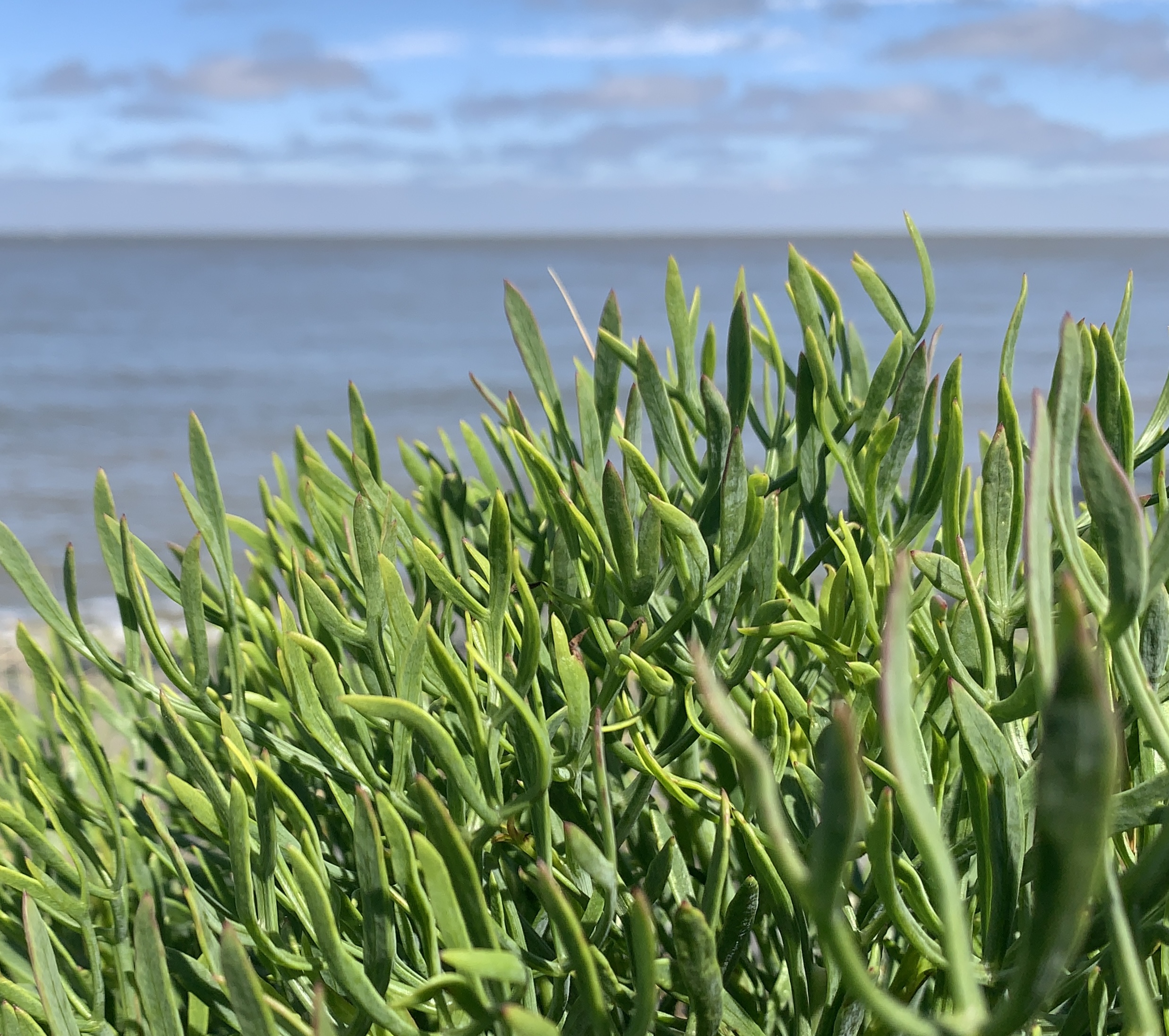
Wadden Sea

Why is the Wadden Sea important?

The Wadden Sea is a unique and ecologically important region located along the coasts of Denmark, Germany, and the Netherlands. It is a shallow, coastal sea that is home to a diverse array of plant and animal life.

Dining room for millions of birds
One of the most striking features of the Wadden Sea is its vast salt marshes, which are home to a variety of salt-tolerant plants some of which are the dining room for the millions of migratory birds that fly through this region from Siberia, Greenland and the northern European countries. They eat their bellies full, feeding on sea life such as shells and worms and rosehip and sea buckthorn berries and then continue their journey to Africa where they overwinter.

Skaai’s star ingredients
Plants such as sea lavender, blue sea kale and sea aster are adapted to thrive in the salty, brackish water of the Wadden Sea. They provide important habitats for a variety of animals, including birds, insects, and small mammals.In addition to its salt marshes, the Wadden Sea is home to a number of other plant communities. These include sandy beaches, dunes, and mudflats, each of which is home to a unique set of plant species such as sea rocket and beach peas and sea holly and the blue sea thistle. Many of these plants form SKAAI’s star ingredients.

Wadden sea

Medicinal value
Many of the plants found in the Wadden Sea have been used for centuries in traditional medicine and skincare. For example, sea lavender (Limonium species) is known for its antioxidant and anti-inflammatory properties, making it a popular ingredient in natural skincare products. Sea aster (Aster tripolium) is also rich in antioxidants. It offers redness reduction, and soothes and brings comfort to the skin.

The Wadden Sea is a treasure trove of plant species with amazing benefits for skincare. If you are interested in incorporating natural, plant-based ingredients into your skincare routine, consider SKAAI’s products that contain extracts or oils from these unique and ecologically important botanicals, and be on the lookout for the DYI recipes we will share with you in the future!

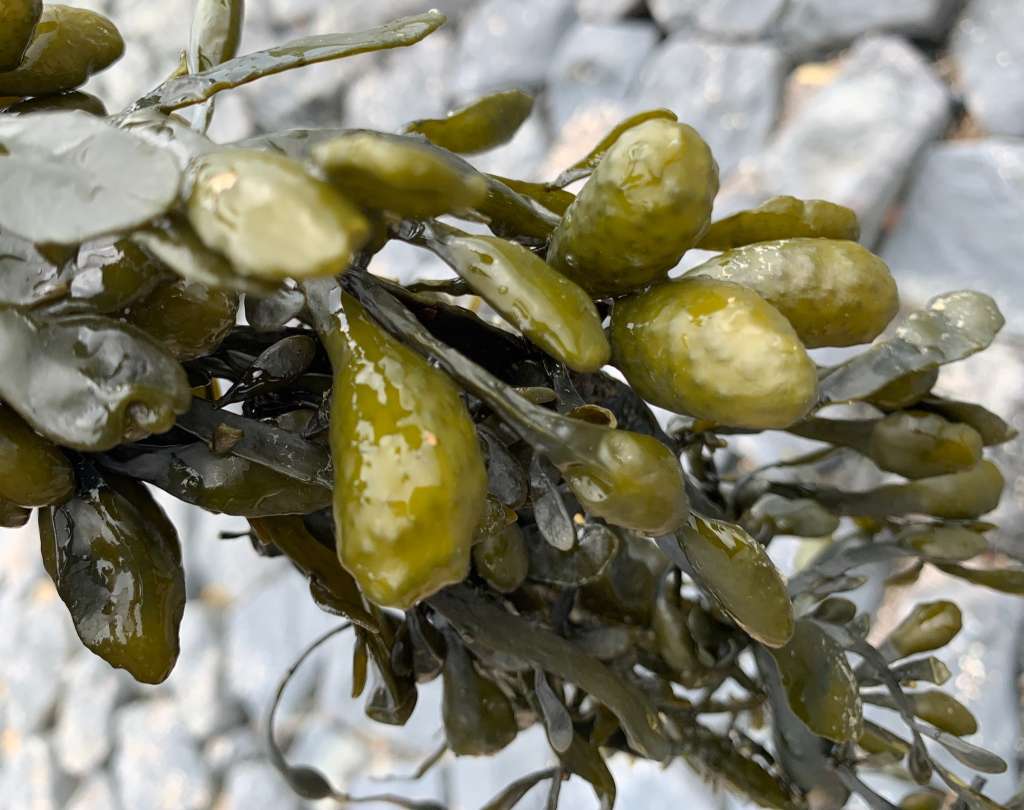
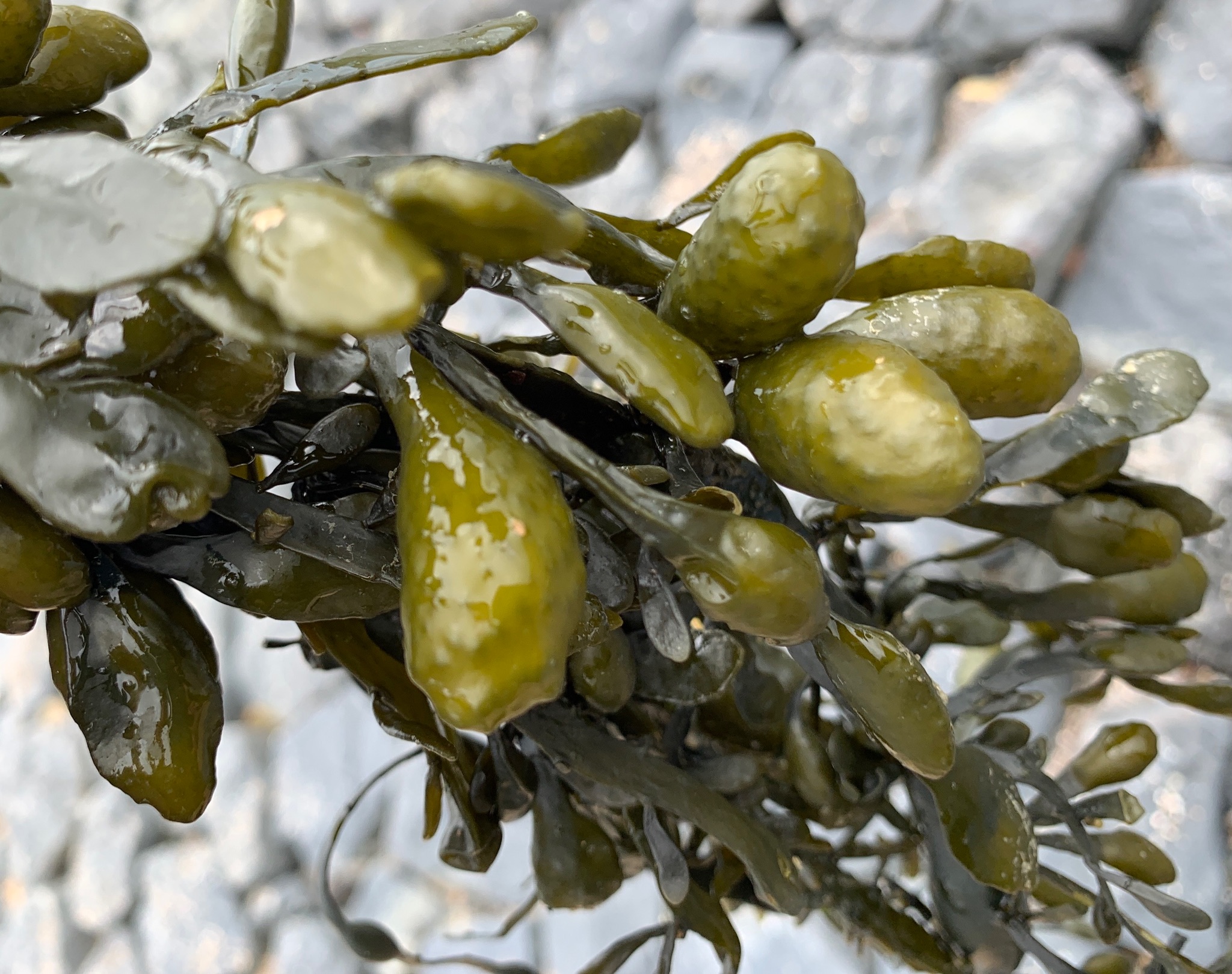
Sea weed

Yours,

Clara


Deciphering the vocabulary surrounding natural skincare

Skincare terms and phrases, what does it all mean?!

Deciphering the vocabulary surrounding natural skincare

In the world of skincare, the terms ‘raw’, ‘green’, ‘natural’, ‘slow’, ‘honest’, ‘organic’, and ‘holistic’ are often used interchangeably to describe products that are made with plant-based ingredients and minimal processing. However, these terms can have slightly different meanings depending on the context in which they are used.

Natural skincare, on the other hand refers to products that are made with ingredients that are derived from nature and have not been significantly altered through processing. Natural skincare products may contain a mix of raw and processed ingredients, and may or may not be organic. Natural skincare can be ‘green’. A review published in the Journal of the American Academy of Dermatology found that natural ingredients such as plant extracts, essential oils, and other botanicals can have a range of skin benefits, including antioxidant, anti-inflammatory, UV-absorbing, and wound-healing effects.

Organic skincare, as the name suggests, refers to products that are made with organic ingredients. In order for a product to be labeled as organic, it must meet certain requirements set by certifying organizations such as the USDA or the Soil Association. These requirements typically include using ingredients that are grown without synthetic pesticides or fertilizers and processed without the use of synthetic chemicals. A review published in the journal Environmental Science and Technology found that organic agricultural practices can have a range of benefits, including reduced chemical inputs, improved soil quality, and higher biodiversity.

Raw skincare refers to products that are made with ingredients that are not cooked, heated, or treated with chemicals. Raw ingredients are believed to retain more of their nutrients and enzymes, which can provide added benefits for the skin. Examples of raw skincare ingredients include virgin, cold pressed avocado, and coconut oil and raw honey for example. A study published in the Journal of Food Science and Technology found that raw honey has a higher concentration of antioxidants and phenolic compounds compared to heated honey, making it a potentially beneficial ingredient in skincare products.

Green skincare, on the other hand, refers to products that are made with environmentally friendly ingredients and practices. This can include using organic, all natural raw ingredients, reducing packaging waste, and using sustainable manufacturing methods. Green skincare products are often made with a focus on ultimate care for the skin while at the same time, preserving the environment and reducing the carbon footprint of the production process. A review published in the journal Environmental Research Letters found that organic agriculture can have lower environmental impacts compared to conventional agriculture, including lower greenhouse gas emissions and reduced soil and water degradation.

Slow skincare, also known as conscious skincare, is a movement that emphasizes a more mindful and holistic approach to skincare. Slow skincare advocates for skin minimalism, using fewer high-quality skincare products that are tailored to an individual’s specific skin needs, rather than relying on a long list of products with potentially harsh or unnecessary ingredients. Slow skincare also emphasizes the importance of taking time to appreciate and care for one’s skin and overall well-being.

Honest skincare refers to products that are transparent about their ingredients and manufacturing processes. Honest skincare brands typically provide detailed information about the source and quality of their ingredients, as well as any certifications or sustainability practices they adhere to. A study published in the journal Environmental Science and Technology found that consumers are more likely to trust and purchase products from companies that are transparent about their environmental and social practices.

Holistic skincare, also known as whole-person skincare, takes a holistic approach to skin health by considering the mind, body, and environment as interconnected factors that impact the skin. Holistic skincare may incorporate elements such as stress management, healthy eating, vitamins and more to contribute to the ultimate well-being of the consumer.

In summary, summary, all these terms refer to approaches to skincare that prioritize the use of plant-based ingredients, sustainability, transparency, and a holistic approach to skin health. While each term has its own specific meaning, they are all interconnected and often overlap. When choosing skincare products, it is important to consider your own personal values and priorities, and to do your research to ensure that you are purchasing products that align with your values and that are safe and effective for your skin.


References:

Kumari, S., & Jayaveera, K. (2016). Comparative study on the antioxidant activity of raw and heated honey. Journal of Food Science and Technology, 53(6), 2223-2229.

Ponisio, L. C., M’Gonigle, L. K., Mace, K. C., & Palomino, J. (2015). Diversification practices reduce organic to conventional yield gap. Environmental Research Letters, 10(6), 064014.

Moy, R., Kaminer, M., & Moy, L. (2013). Natural products for the treatment of acne vulgaris: a review. Journal of the American Academy of Dermatology, 69(4), 556-569.

Azapagic, A., & Clift, R. (2006). The role of consumers in sustainable development. Environmental Science and Technology, 40(6), 1794-1801.


 

What are microplastics and what are they doing in skincare

What are microplastics and what are they doing in skincare?

Microplastics are small plastic particles that are less than 5mm in size. They can be found in a variety of products, including skincare products, where they are often used in the form of acrylic polymers to stabilize emulsions, give products a smooth texture, and improve their spreadability. Microplastics are most commonly found in products in bead form, such as in exfoliating scrubs, toothpaste, and facial cleansers, but they can also be incorporated into products in a more subtle way, as liquid plastics that have various names that may not be easily recognizable to the conscious consumer reading ingredient lists.

The use of microplastics in skincare and other products has come under scrutiny in recent years due to concerns about their environmental impact. When these products are washed down the drain, microplastics can enter the water cycle and end up in rivers, lakes, and oceans. There, they can be ingested by marine life, which can have negative impacts on their health and if we consume them, they end up in our organs and bloodstream.

Health Concerns
The use of microplastics in skincare has also been linked to health concerns. Studies have suggested that these particles (when sufficiently small) can be absorbed through the skin. It is also unclear what effects, if any, microplastics may have on human health.

Given these concerns, many consumers and companies are looking for alternatives to microplastics in skincare products. Some companies are using natural alternatives, such as plant-based polymers. Others are using biodegradable polymers, which break down over time and do not contribute to the growing problem of plastic pollution.

Detection of microplastics
To detect the presence of microplastics in a skincare product, consumers can look for common names on the ingredient list, such as polyethylene, polypropylene, and polystyrene. These are all types of plastic that may be used in the form of microplastics in skincare products. Consumers can also look for ingredients with “acrylic” or “copolymer” in the name, as these are often used as microplastics in skincare products. Additionally, consumers can look for products that are certified as microplastic-free by third-party organizations, such as the Microbead-Free Waters Act.

When it comes to choosing skincare products, it is important to consider the environmental and health impacts of the ingredients they contain. If you are concerned about the use of microplastics in skincare products, look for products that use natural or biodegradable alternatives. Is it unclear, choose another brand. There are many natural skincare brands that offer transparency about their products, including SKAAI! By choosing green and honest skincare you are reducing the environmental impact of your skincare routine, and helping to protect the life on this planet!


References:

Brown, K., & Galloway, T. S. (2018). Microplastic pollution in the marine environment: A review of the methods used to quantify the levels of microplastic particles. Environmental pollution, 241, 782-792.

Janssen, L., & Koelmans, A. A. (2020). Microplastics in personal care products: A review of the scientific literature. Environmental science & technology, 54(5), 2921-2934.

Thompson, R. C., & Moore, C. J. (2004). Lost at sea: Where is all the plastic?. Science, 304(5672), 838-838

Zohreh, M., & Dabir, S. (2020). Microplastics in the marine environment: A review of the methods used for their detection, quantification and analysis. Environmental science and pollution research, 27(9), 10199-10217.

Zhang, X., & Li, Y. (2016). Microplastic pollution in the marine environment: A review of the methods used for identification and quantification. Environmental science and pollution research, 23(22), 22861-22870.


Microplastic as liquid polymers in skincare

What are liquid microplastics?

Microplastic as liquid polymers in skincare: what are they and how to identify them.

Liquid polymer plastics, also known as synthetic polymers, are commonly used in skincare products to improve the texture, stability, and spreadability of the product. These polymers are made from chemical compounds and are not derived from natural sources. They are used in a wide range of skincare products, including facial cleansers, toners, moisturizers, and makeup. Unfortunately, they can be found in brands that are branded as natural such as AĒSOP, L’Occidant for instance.

One common type of liquid plastic used in skincare products is carbomer, which is a thickening agent and stabilizer. Carbomer can be identified on ingredient lists by looking for the names “acrylic” or “polyacrylic,” as well as other variations such as “Carbomer 940” or “Carbopol.” This polymer is used to improve the sensory feel and stability of products. It also functions as a thickening agent and film-forming agent and unfortunately is found in many different types of skincare products.

Microplastics are defined as particles that are less than 5mm in size. They are usually larger than nano-particles but can break-down to become nano-particles that are small enough to penetrate the skin, other organs and make their way into the bloodstream. Nano-plastics, have even been found in the placenta!

Microplastics are in a wide range of personal care products, including skincare products. These particles come from a variety of sources, such as microbeads added to products for exfoliation, or they are formed from the breakdown of larger plastic items. Microplastics have been linked to environmental and health concerns, such as the release of toxic substances when they break down and the potential for skin irritation or allergies. However, regulating these plastics in skincare products is challenging.

If you are concerned about the use of solid or liquid microplastics in skincare products, there are steps you can take to reduce your exposure and help to reduce the overall impact of these plastics on the environment. Some options include:

  • Looking for products that are certified as polymer-free or microplastic-free by third-party organizations
  • Seeking out products that use natural or biodegradable alternatives to synthetic polymers
  • Reading ingredient lists carefully and looking for specific names of synthetic polymers and microplastics, such as “acrylic,” “poly-acrylic,” “Carbomer 940,” and “Carbopol”
  • Supporting companies that are transparent about their use of synthetic polymers and microplastics and that take steps to minimize their environmental impact
  • Contacting your local government representatives and asking them to support stricter regulations on the use of synthetic polymers and microplastics in personal care products.

Good news! At SKAAI we do not use micrplastics nor nano-particles in our products. We hand-blend our botanicals for the whole family with only natural ingredients and organic oils. Good for you and Good for our plantet!


References:

Du, Y., Li, H., & Bao, Y. (2018). The application of synthetic polymers in the cosmetic industry: A review. Polymers, 10(2), 143.

Janssen, L., & Koelmans, A. A. (2020). Microplastics in personal care products: A review of the scientific literature. Environmental science & technology, 54(5), 2921-2934.

Sifferlen, D., Dupuis, C., & Maître, A. (2018). The environmental and health impacts of synthetic polymers: A review. Environmental science and pollution research, 25(32), 32025-32039.

Meysman, F. J. R., Middelburg, J. J., & Mooij, W. M. (2018). Microplastics in the oceans: A review.