Blog

SKAAI’s star ingredients

Which Wadden Sea plants are used in skincare?

Read about SKAAI’s Star Ingredients!

In this post, we’d like to introduce you to some of the unique and ecologically important plants that make up the star ingredients in SKAAI Skincare products. These plants are native to the Wadden Sea region and have been used for centuries in traditional medicine and skincare.

One of the key ingredients in our products is sea lavender, also known as marsh rosemary as it grows in the sandy soil on the dike and on the floodplains.  It receives its name from its flowers that are the same lavender color as rosemary and lavender blossoms. It is known for its antioxidant and anti-inflammatory properties, making it a perfect ingredient in our natural skincare products to soothe and protect your sensitive skin.

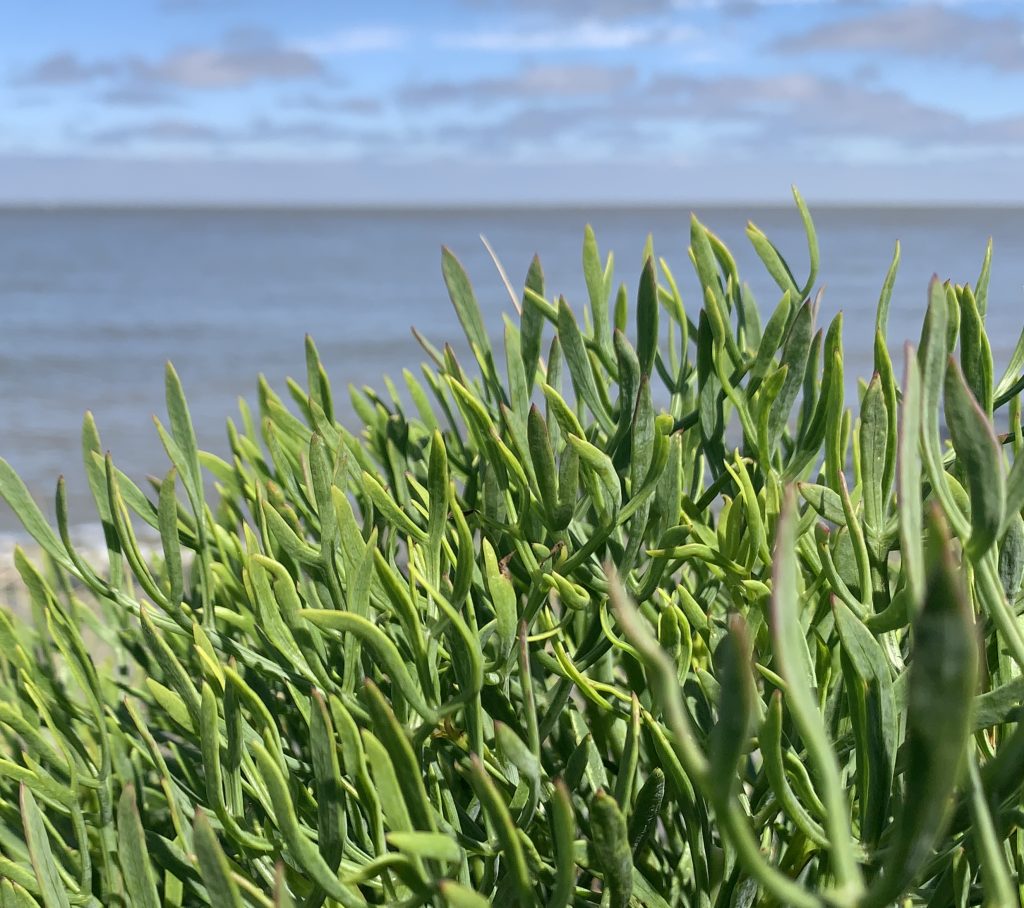
Blue sea kale is rich in Vitamin K. This rarely discussed vitamin helps protect the collagen in the body for plump and youthful skin.  It also soothes and supports the healing of the skin from minor wounds, scratches and scrapes.

Blue sea kale

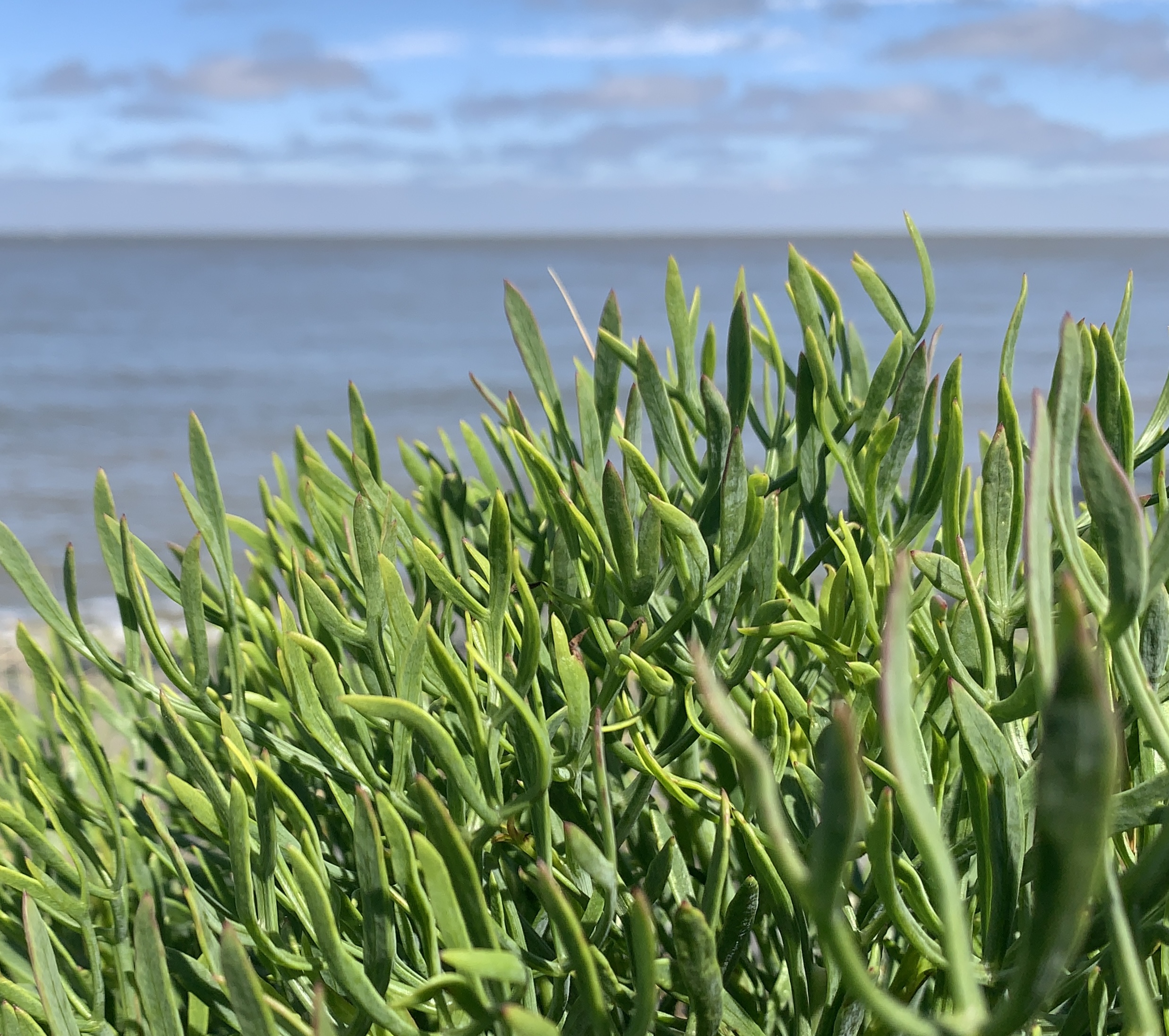
Another key ingredient in our SKAAI products is sea fennel. Sea fennel, which grows in between the basalt pillars that cover the dike of the Wadden Sea is known for its cleansing, smoothing, collagen boosting and cell renewing properties. It’s extract energizes and rejuvenates your skin, enabling your skin to age healthily and beautifully. What’s not to love?

The sea asther (Aster tripolium) is another one of our favorite ingredients. Sea aster is rich in antioxidants and is often used in skincare products to soothe and protect the skin. Results from in-vitro testing has shown that it rebuilds the barrier function of the skin (by boosting ceramides, cerebrosides, and cholesterol). It provides immediate and long term moisturization.

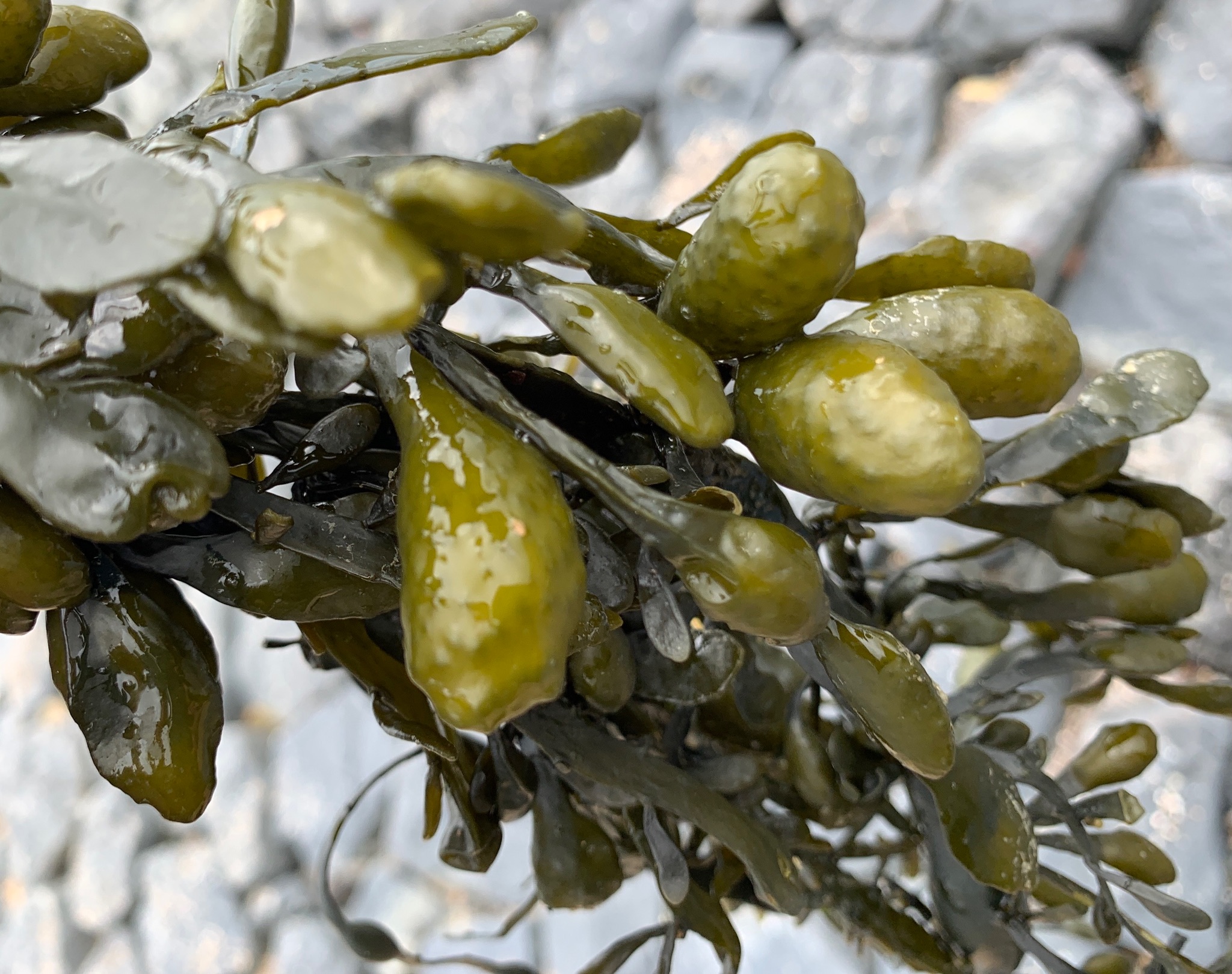
SKAAI also incorporates several other unique and ecologically important plants in her skincare products, including various seaweeds. The different seaweed species that grow along the shores of the Wadden Sea are high in alginates, a type of polysaccharide that helps to hydrate the skin and improve elasticity. They are also filled with vitamins and minerals that nourish the skin, and have moisturizing and barrier strengthening properties.
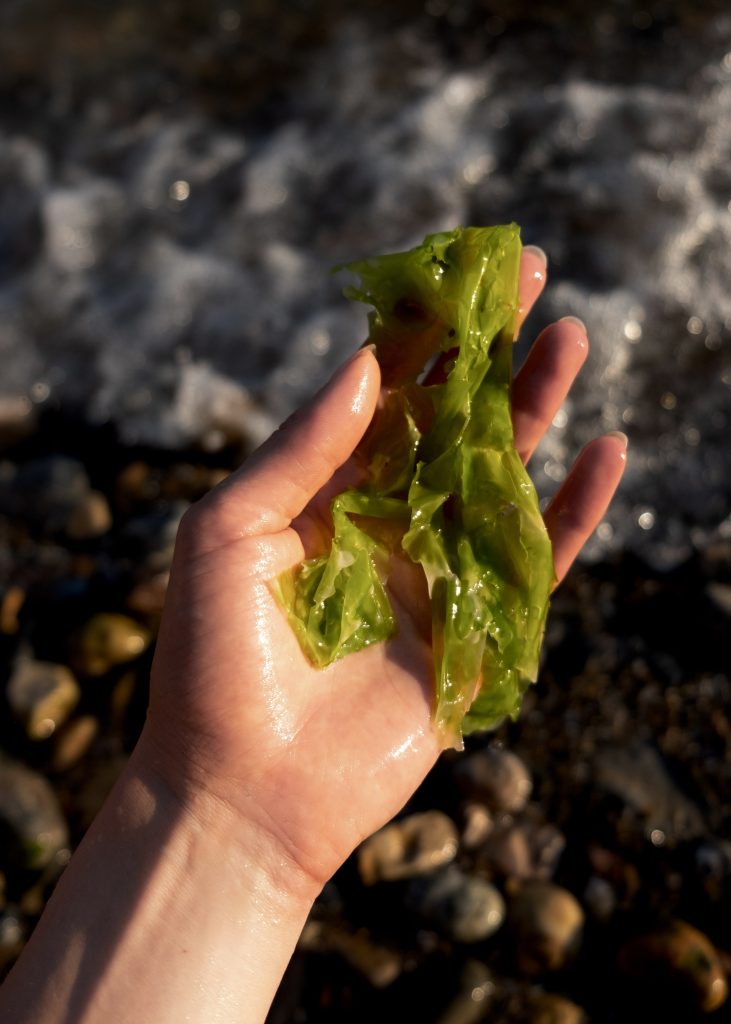
Sea weed

On the dike of our UNESCO World Heritage site, the Wadden Sea, we also find many everyday  plants that support the skin to make it as healthy as can be and to help your skin age beautifully. Dandelion, lawn daisy, clover, raspberries, rosehips, and more, you will find them all concentrated in our powerful skincare.  

I hope you enjoyed learning about some of the unique and ecologically important plants that we use in our SKAAI Skincare products. Stay tuned for future blog posts, where we’ll dive deeper into the benefits and uses of these amazing plants

Warmly yours,

Clara

What are microplastics and what are they doing in skincare

What are microplastics and what are they doing in skincare?

Microplastics are small plastic particles that are less than 5mm in size. They can be found in a variety of products, including skincare products, where they are often used in the form of acrylic polymers to stabilize emulsions, give products a smooth texture, and improve their spreadability. Microplastics are most commonly found in products in bead form, such as in exfoliating scrubs, toothpaste, and facial cleansers, but they can also be incorporated into products in a more subtle way, as liquid plastics that have various names that may not be easily recognizable to the conscious consumer reading ingredient lists.

The use of microplastics in skincare and other products has come under scrutiny in recent years due to concerns about their environmental impact. When these products are washed down the drain, microplastics can enter the water cycle and end up in rivers, lakes, and oceans. There, they can be ingested by marine life, which can have negative impacts on their health and if we consume them, they end up in our organs and bloodstream.

Health Concerns
The use of microplastics in skincare has also been linked to health concerns. Studies have suggested that these particles (when sufficiently small) can be absorbed through the skin. It is also unclear what effects, if any, microplastics may have on human health.

Given these concerns, many consumers and companies are looking for alternatives to microplastics in skincare products. Some companies are using natural alternatives, such as plant-based polymers. Others are using biodegradable polymers, which break down over time and do not contribute to the growing problem of plastic pollution.

Detection of microplastics
To detect the presence of microplastics in a skincare product, consumers can look for common names on the ingredient list, such as polyethylene, polypropylene, and polystyrene. These are all types of plastic that may be used in the form of microplastics in skincare products. Consumers can also look for ingredients with “acrylic” or “copolymer” in the name, as these are often used as microplastics in skincare products. Additionally, consumers can look for products that are certified as microplastic-free by third-party organizations, such as the Microbead-Free Waters Act.

When it comes to choosing skincare products, it is important to consider the environmental and health impacts of the ingredients they contain. If you are concerned about the use of microplastics in skincare products, look for products that use natural or biodegradable alternatives. Is it unclear, choose another brand. There are many natural skincare brands that offer transparency about their products, including SKAAI! By choosing green and honest skincare you are reducing the environmental impact of your skincare routine, and helping to protect the life on this planet!


References:

Brown, K., & Galloway, T. S. (2018). Microplastic pollution in the marine environment: A review of the methods used to quantify the levels of microplastic particles. Environmental pollution, 241, 782-792.

Janssen, L., & Koelmans, A. A. (2020). Microplastics in personal care products: A review of the scientific literature. Environmental science & technology, 54(5), 2921-2934.

Thompson, R. C., & Moore, C. J. (2004). Lost at sea: Where is all the plastic?. Science, 304(5672), 838-838

Zohreh, M., & Dabir, S. (2020). Microplastics in the marine environment: A review of the methods used for their detection, quantification and analysis. Environmental science and pollution research, 27(9), 10199-10217.

Zhang, X., & Li, Y. (2016). Microplastic pollution in the marine environment: A review of the methods used for identification and quantification. Environmental science and pollution research, 23(22), 22861-22870.


Microplastic as liquid polymers in skincare

What are liquid microplastics?

Microplastic as liquid polymers in skincare: what are they and how to identify them.

Liquid polymer plastics, also known as synthetic polymers, are commonly used in skincare products to improve the texture, stability, and spreadability of the product. These polymers are made from chemical compounds and are not derived from natural sources. They are used in a wide range of skincare products, including facial cleansers, toners, moisturizers, and makeup. Unfortunately, they can be found in brands that are branded as natural such as AĒSOP, L’Occidant for instance.

One common type of liquid plastic used in skincare products is carbomer, which is a thickening agent and stabilizer. Carbomer can be identified on ingredient lists by looking for the names “acrylic” or “polyacrylic,” as well as other variations such as “Carbomer 940” or “Carbopol.” This polymer is used to improve the sensory feel and stability of products. It also functions as a thickening agent and film-forming agent and unfortunately is found in many different types of skincare products.

Microplastics are defined as particles that are less than 5mm in size. They are usually larger than nano-particles but can break-down to become nano-particles that are small enough to penetrate the skin, other organs and make their way into the bloodstream. Nano-plastics, have even been found in the placenta!

Microplastics are in a wide range of personal care products, including skincare products. These particles come from a variety of sources, such as microbeads added to products for exfoliation, or they are formed from the breakdown of larger plastic items. Microplastics have been linked to environmental and health concerns, such as the release of toxic substances when they break down and the potential for skin irritation or allergies. However, regulating these plastics in skincare products is challenging.

If you are concerned about the use of solid or liquid microplastics in skincare products, there are steps you can take to reduce your exposure and help to reduce the overall impact of these plastics on the environment. Some options include:

  • Looking for products that are certified as polymer-free or microplastic-free by third-party organizations
  • Seeking out products that use natural or biodegradable alternatives to synthetic polymers
  • Reading ingredient lists carefully and looking for specific names of synthetic polymers and microplastics, such as “acrylic,” “poly-acrylic,” “Carbomer 940,” and “Carbopol”
  • Supporting companies that are transparent about their use of synthetic polymers and microplastics and that take steps to minimize their environmental impact
  • Contacting your local government representatives and asking them to support stricter regulations on the use of synthetic polymers and microplastics in personal care products.

Good news! At SKAAI we do not use micrplastics nor nano-particles in our products. We hand-blend our botanicals for the whole family with only natural ingredients and organic oils. Good for you and Good for our plantet!


References:

Du, Y., Li, H., & Bao, Y. (2018). The application of synthetic polymers in the cosmetic industry: A review. Polymers, 10(2), 143.

Janssen, L., & Koelmans, A. A. (2020). Microplastics in personal care products: A review of the scientific literature. Environmental science & technology, 54(5), 2921-2934.

Sifferlen, D., Dupuis, C., & Maître, A. (2018). The environmental and health impacts of synthetic polymers: A review. Environmental science and pollution research, 25(32), 32025-32039.

Meysman, F. J. R., Middelburg, J. J., & Mooij, W. M. (2018). Microplastics in the oceans: A review.