Blog

Rosemary CO2 extract

INCI: usually Rosmarinus Officinalis Leaf Extract
Botanical name: Salvia rosmarinus — formerly Rosmarinus officinalis
Botanical source: Leaves of rosemary
Source: Italy

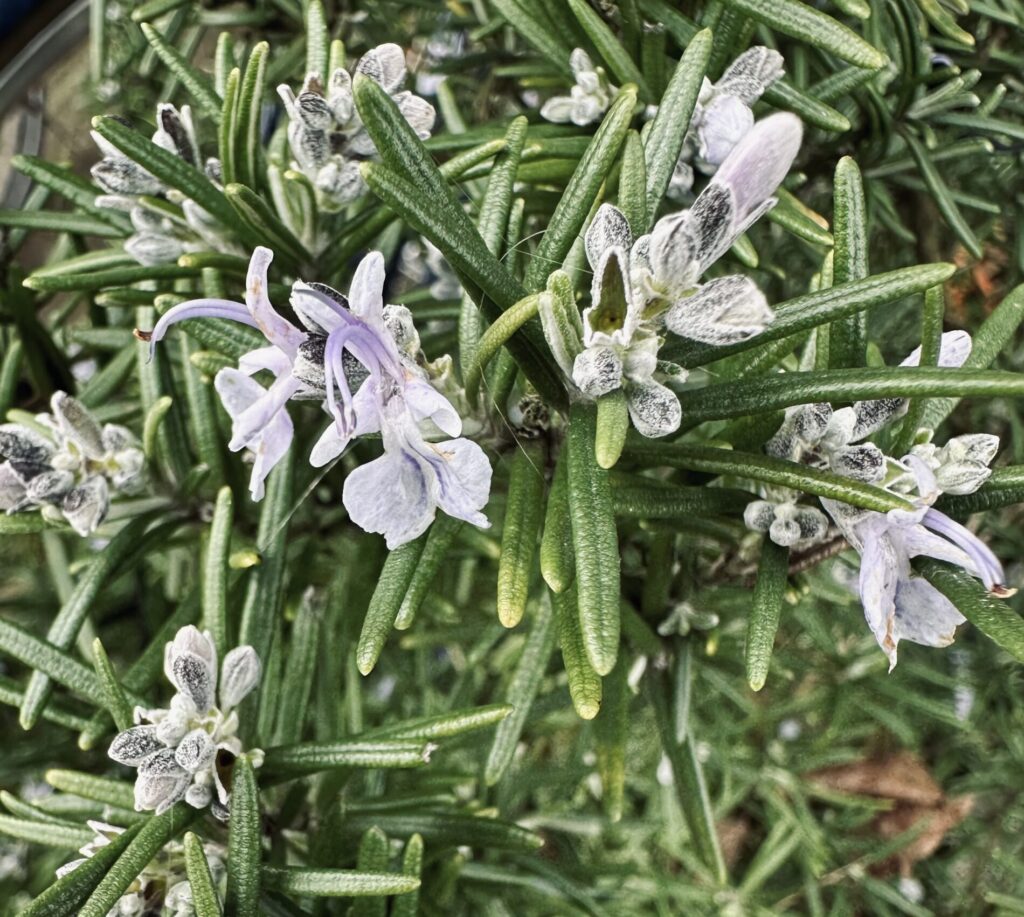
Rosemary CO₂ extract is obtained from the leaves of rosemary, a resilient aromatic shrub native to the Mediterranean region. Although the plant is now botanically accepted as Salvia rosmarinus, the older name Rosmarinus officinalis is still commonly used in cosmetic INCI names. Kew lists Salvia rosmarinus as the accepted species, native to the Mediterranean.

Unlike rosemary essential oil, rosemary CO₂ extract is used mainly for its antioxidant-rich fraction. It contains phenolic diterpenes such as carnosic acid and carnosol, which are recognised as the principal antioxidant components of rosemary leaf extract. Supercritical CO₂ extracts can be especially rich in these compounds.

In SKAAI formulas, we use rosemary CO₂ extract with restraint to help protect delicate botanical oils from oxidation and support the freshness and stability of the formula. It is not there to perfume the product or create a strong herbal scent, but to help preserve the integrity of the lipid blend.

This fits SKAAI’s preservation-based approach beautifully: caring not only for the skin, but also for the quality and stability of the ingredients themselves.

A concentrated rosemary leaf extract used with restraint to help protect SKAAI’s delicate botanical oils from oxidation and support the freshness of the formula.
Magnolia bark extract

INCI: Magnolia Officinalis Bark Extract
Botanical source: Bark of Magnolia officinalis
Key compounds: magnolol and honokiol
Source:

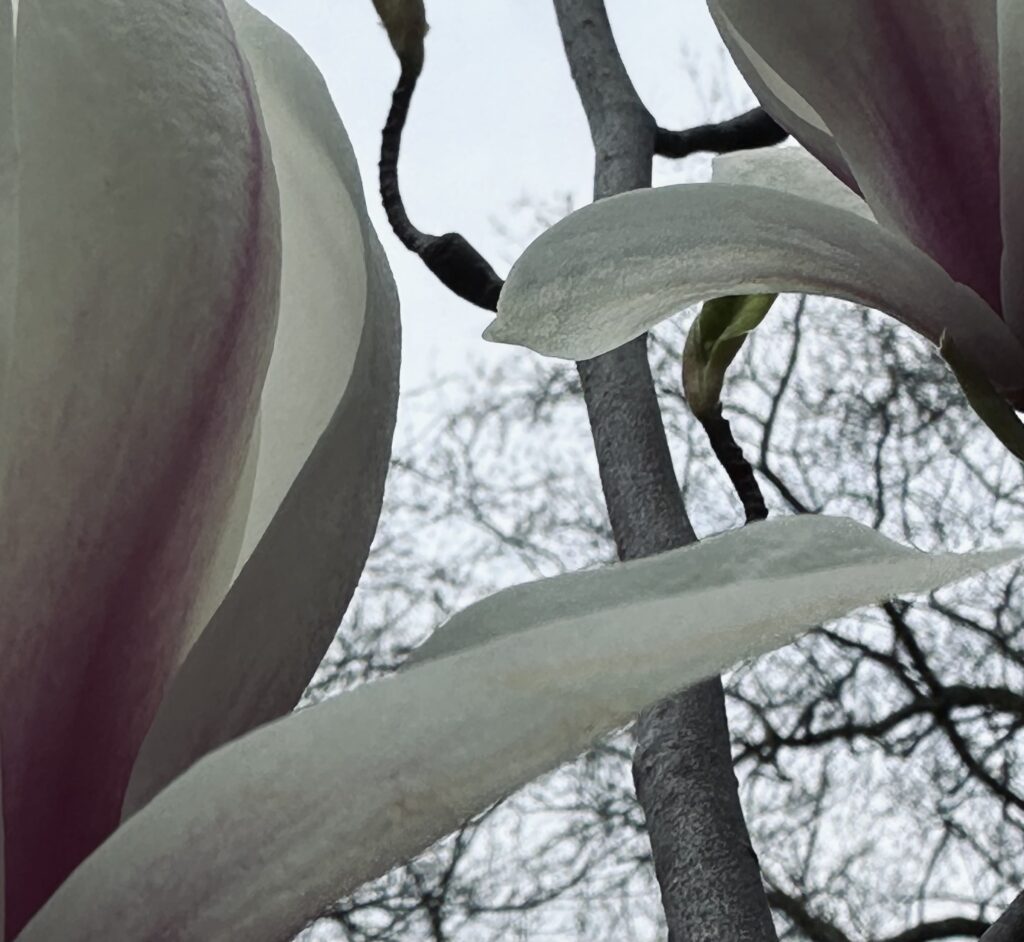
Magnolia bark extract comes from the bark of Magnolia officinalis, a tree native to China with a long history of traditional use. In cosmetics, it is valued for its skin-conditioning and antimicrobial functions, and for the presence of naturally occurring compounds such as magnolol and honokiol.

These compounds are widely studied for their antioxidant, antimicrobial and inflammation-modulating properties. For SKAAI, I would translate that into gentler cosmetic language: magnolia bark extract helps support skin that feels sensitive, reactive or easily unsettled, while contributing to the antioxidant character of the formula.

In SKAAI formulas, we choose magnolia bark extract for its calm, protective quality. It helps the skin feel more comfortable, balanced and at ease, especially in formulas designed for dry, mature or sensitive skin.

Its role fits beautifully within SKAAI’s preservation-based approach: not forcing the skin to renew or change, but helping support a quieter, more resilient-looking complexion.

A bark extract rich in magnolol and honokiol, chosen to help sensitive or easily unsettled skin feel calmer, more comfortable and better supported.

Blue Sea Kale

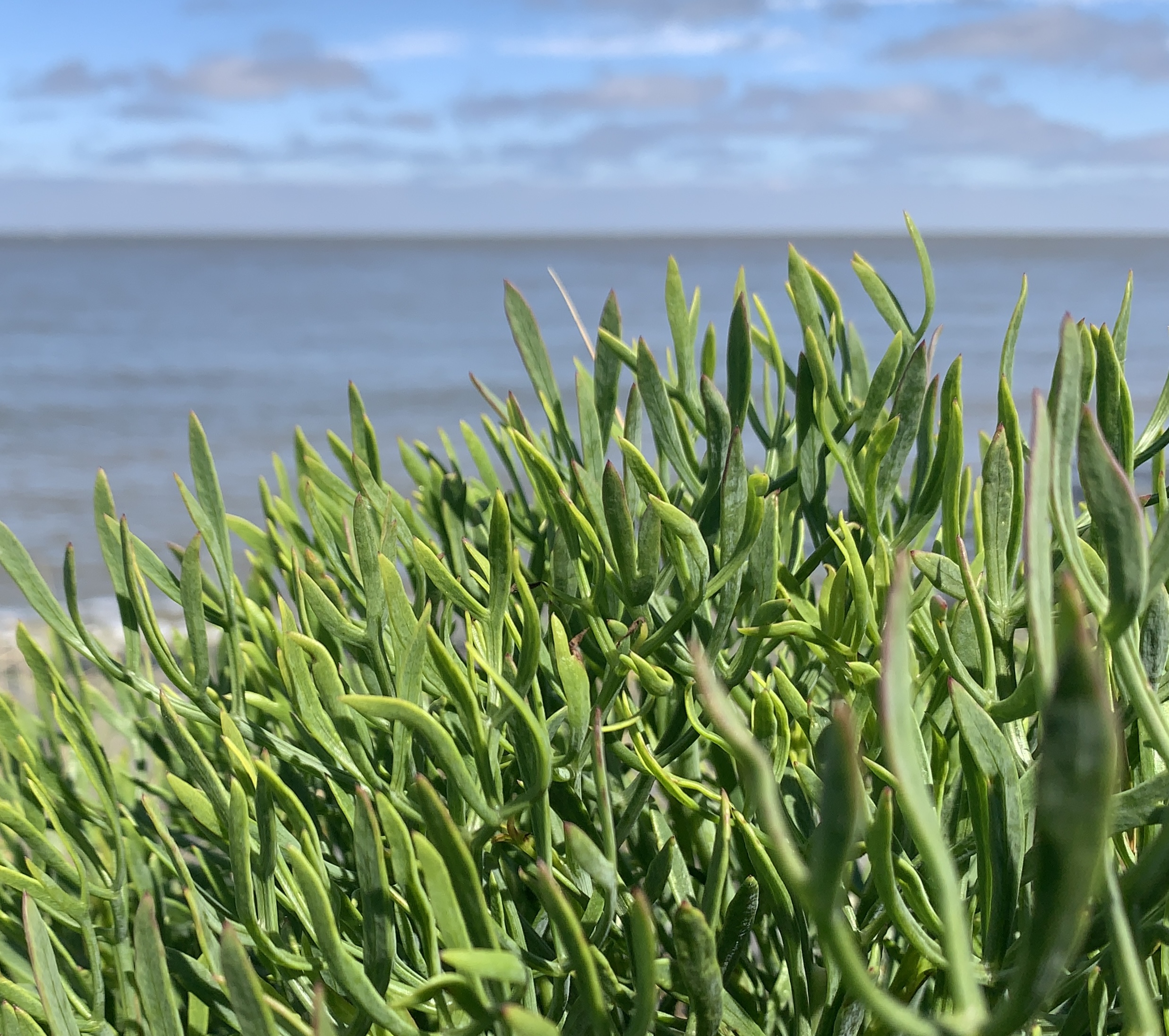
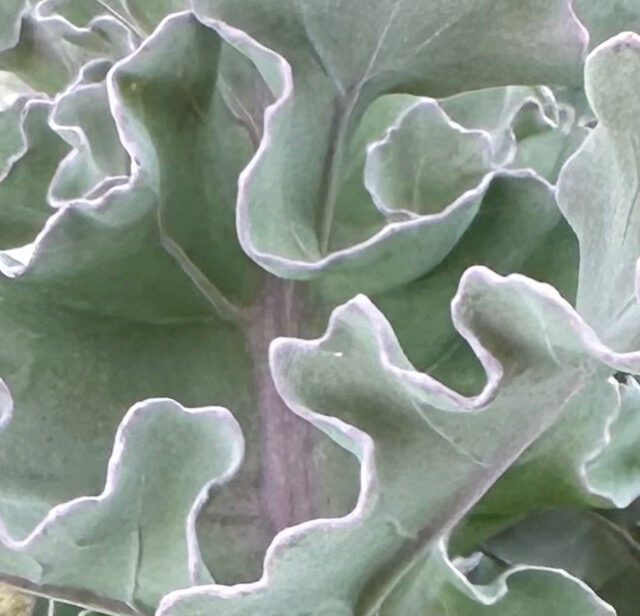
Sea kale is a resilient coastal flowering plant that grows along European shorelines, where it is shaped by salt, wind and exposure. Its thick, waxy leaves and maritime habitat make it a beautiful fit with SKAAI’s Wadden-inspired philosophy: plants that survive in demanding coastal conditions, translated into gentle care for the skin. Kew lists Crambe maritima as native from Europe to the Caucasus.

At SKAAI, we use it as an oil-soluble sea kale leaf extract chosen for its skin-conditioning, cell-protecting and barrier-supportive character. In cosmetics, Crambe Maritima Leaf Extract is recognised as skin-conditioning, meaning it helps maintain the skin in good condition.

In our formulas, blue seakale supports skin that feels dry, mature, sensitive or exposed to daily environmental stress. It helps the skin feel more comfortable, protected and resilient, without forcing or overstimulating it.

Like the coastal plants that inspire SKAAI, sea kale represents quiet strength: a botanical active used with restraint to support the skin’s natural balance.

A coastal sea kale extract chosen to support barrier comfort and help skin feel more protected, resilient and at ease.

Black Currant

INCI: Ribes Nigrum Seed Oil
Botanical source: Seeds of blackcurrant, Ribes nigrum
Source: France

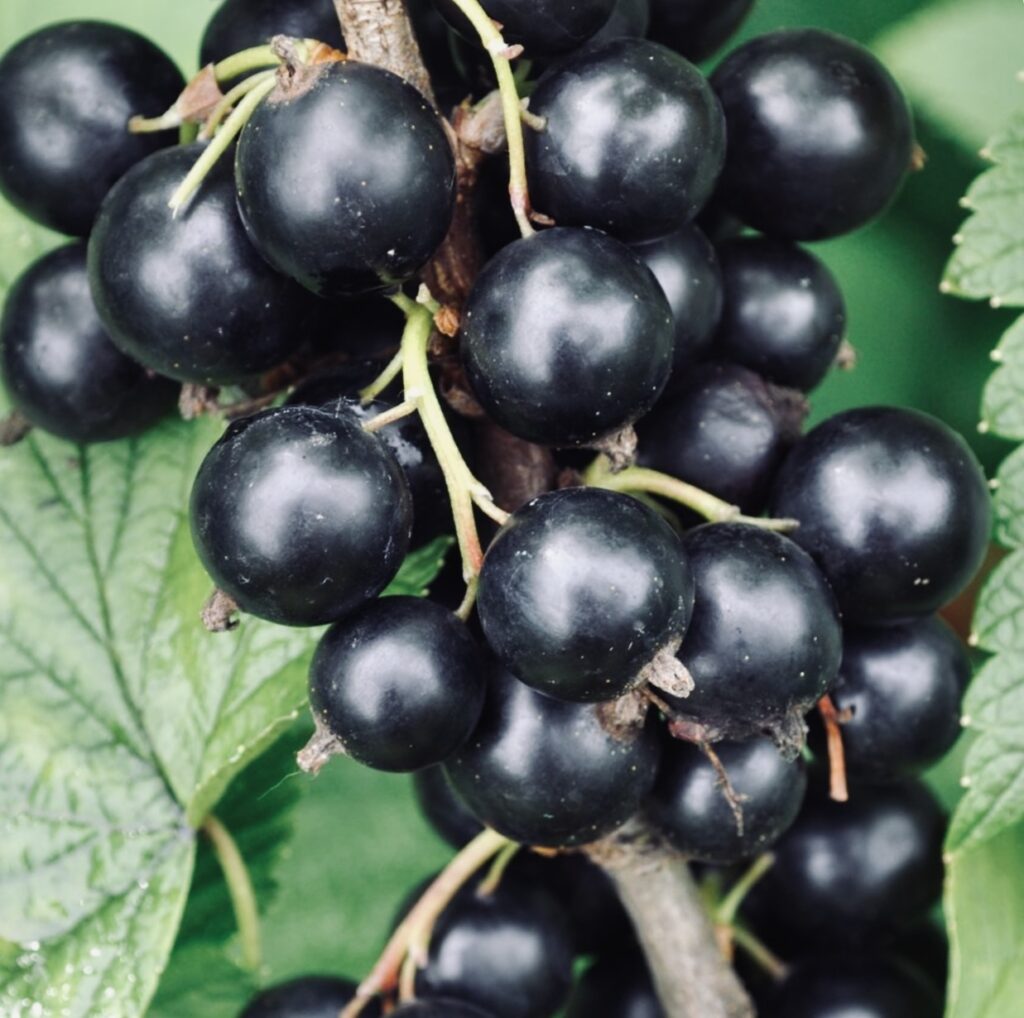
Blackcurrant seed oil is pressed from the tiny seeds of Ribes nigrum, the blackcurrant shrub. Native from Europe to Central Asia and the Russian Far East, blackcurrant grows primarily in temperate regions and has long been valued for its dark, aromatic berries.

In skincare, blackcurrant seed oil is valued for its unusually rich fatty-acid profile. It contains high levels of polyunsaturated fatty acids, especially linoleic acid, and is also known for its content of gamma-linolenic acid, or GLA. Published research on blackcurrant seed oil reports linoleic acid at around 43%, with tocopherols, carotenoids and phytosterols also present.

In SKAAI formulas, we choose blackcurrant seed oil for dry, mature, sensitive or easily unsettled skin. Its omega-rich profile helps support softness, suppleness and barrier comfort, while its light, non-greasy feel makes it suitable for formulas that nourish without heaviness. COSMILE lists Ribes Nigrum Seed Oil as a skin-conditioning emollient that softens and smooths the skin.

Blackcurrant seed oil also fits SKAAI’s preservation-based approach beautifully: gentle lipid support for skin that feels fragile or out of balance, without forcing the skin to change. If your supplier confirms the oil is made from seeds left after fruit processing, we can also describe it as a thoughtful use of a valuable botanical by-product.

An omega-rich seed oil with linoleic acid and GLA, chosen to support soft, supple and comfortable-feeling skin without heaviness.